The BBC broadcasts the Greenwich "pips" for the first time
On this day · 5 February 1924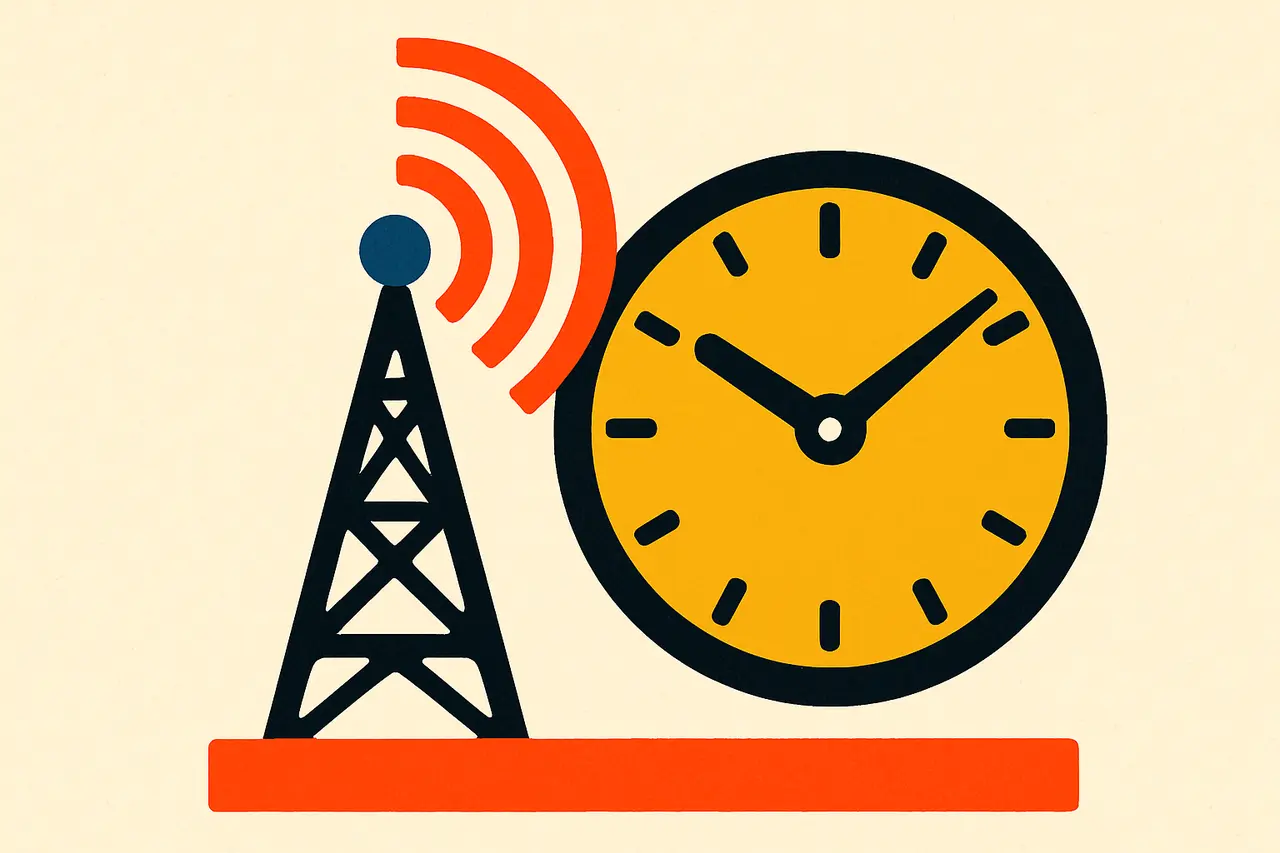
On February 5, 1924, six little tones from Greenwich gave Britain a way to set its clocks over the airwaves.
On the evening of February 5, 1924, listeners heard a new sound on the BBC: six short tones, the last marking the exact hour. The Greenwich Time Signal, soon nicknamed the “pips,” had made its debut.
The idea came from Sir Frank Dyson, the Astronomer Royal, working with BBC chief John Reith. Two mechanical clocks at the Royal Observatory, Greenwich were wired with electrical contacts on their pendulums, sending a pulse each second down a line to the broadcaster, which turned them into audible beeps.
For the first time, a nation could set its watches by radio.
The first transmission ran about fifteen minutes, with Dyson recounting the Observatory’s history before counting out the tones. Newspapers initially called them “ticks” or “dots”; the name “pips” stuck only around 1929. A century on, the pips still punctuate BBC radio.
Sources & references
2 referencesWell-established. Corroborated by 2 independent sources.