Ballet speaks French because a king codified it
Born in Italian courts and perfected at Louis XIV's, ballet still gives every step a French name — plie, pirouette, arabesque.
Ballet began not on a public stage but as court entertainment in the Italian Renaissance, where it was known by the Italian balletto, “little dance.” The art’s centre shifted to France after Catherine de’ Medici married Henry II, bringing the lavish ballet de cour to the French court.
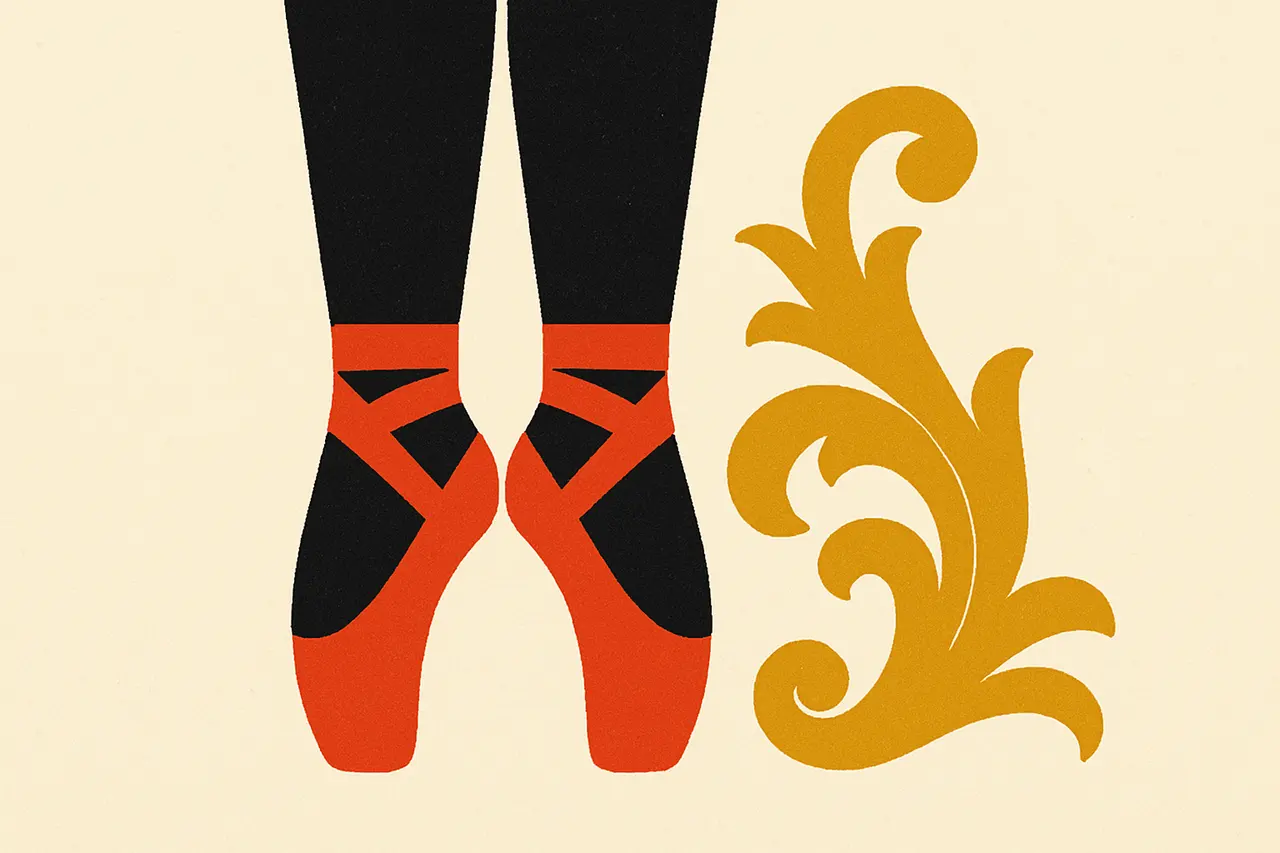
Its vocabulary became French under Louis XIV — himself an avid dancer celebrated for the “noble style.” In 1661 he founded the Academie Royale de Danse, the first such institution in the Western world, where masters like Pierre Beauchamp codified the five positions of the feet and the danse d’ecole.
That is why dancers worldwide still use French terms — plie, pirouette, arabesque, jete — regardless of their own language. The technical language froze in the French of the 17th-century court and never thawed.
Sources & references
2 referencesWell-established. Corroborated by 2 independent sources.