Alan Turing, who imagined the modern computer, was born
On this day · 23 June 1912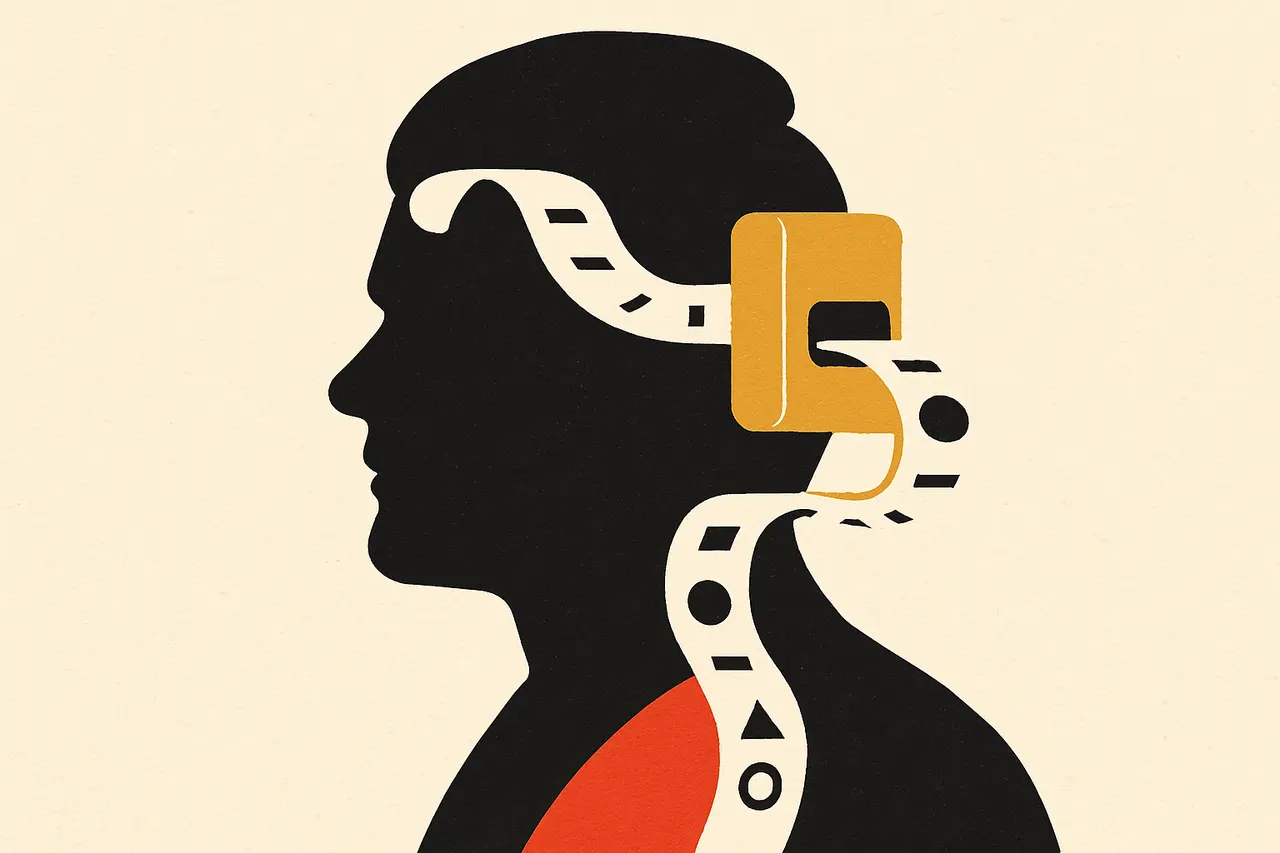
Born in 1912, the mathematician defined what a computer could be, then helped crack Nazi codes that shortened a world war.
On June 23, 1912, Alan Mathison Turing was born in London. He would become one of the most consequential thinkers of the twentieth century, though much of his work stayed secret for decades.
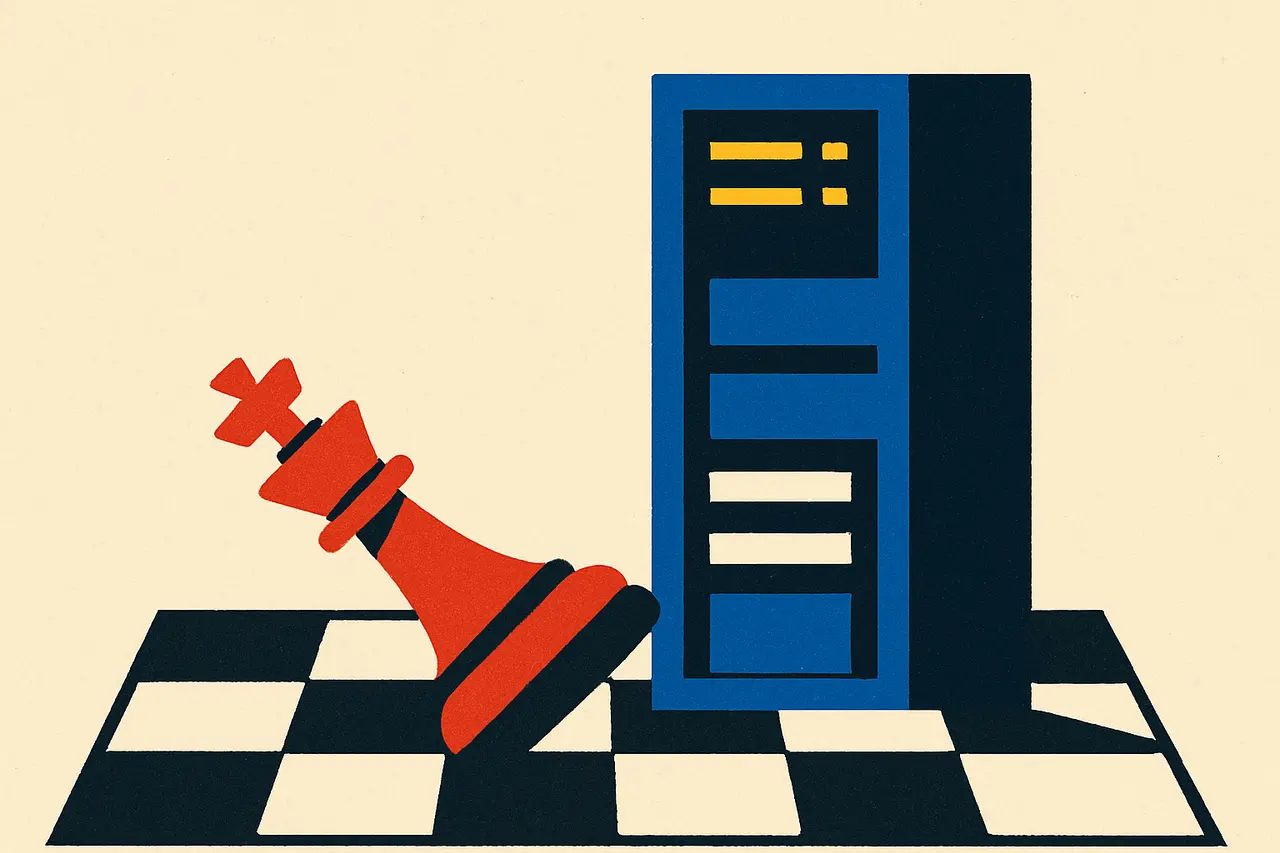
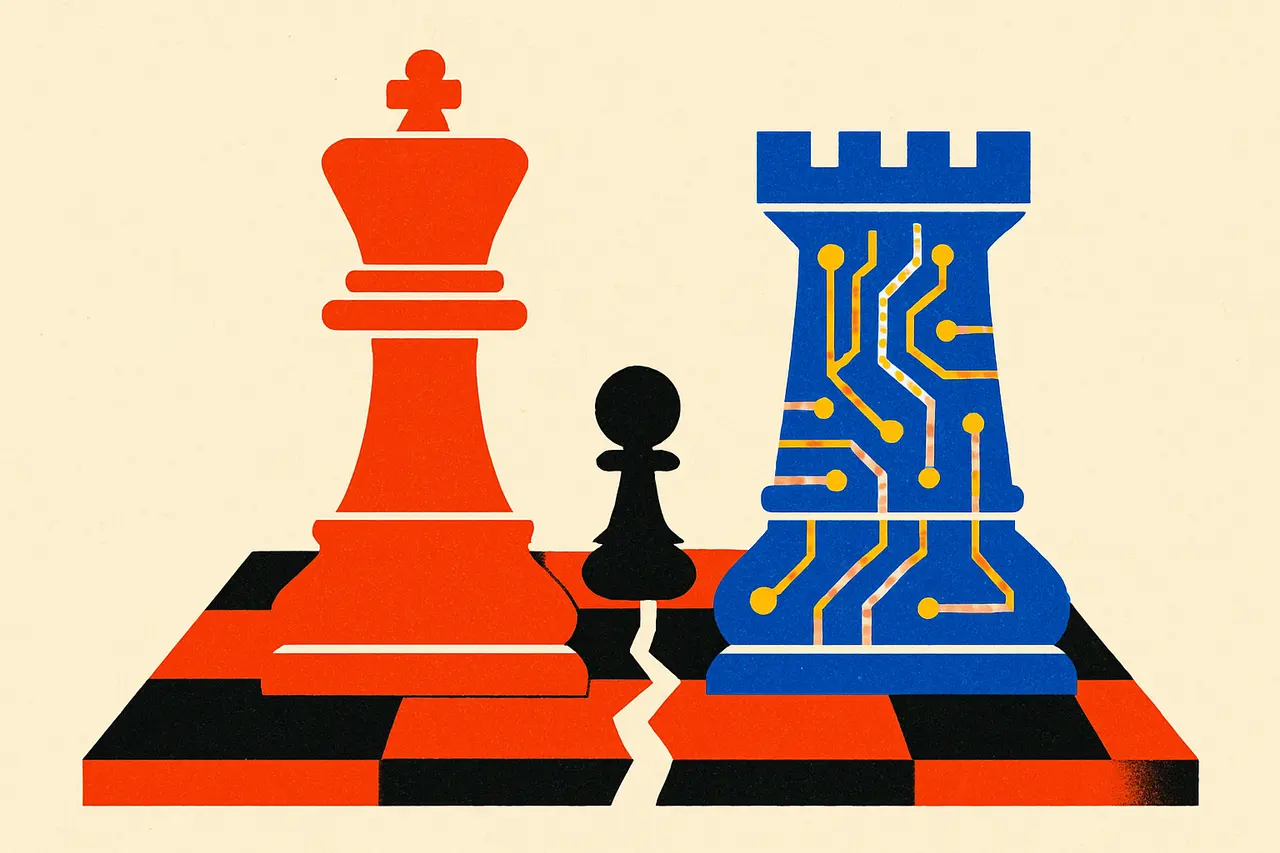
In a 1936 paper, Turing described an abstract device, now called the Turing machine, and proved that a single universal version could carry out the work of any other. That idea underpins every general-purpose computer built since. Later he proposed the Turing test as a way to gauge machine intelligence.
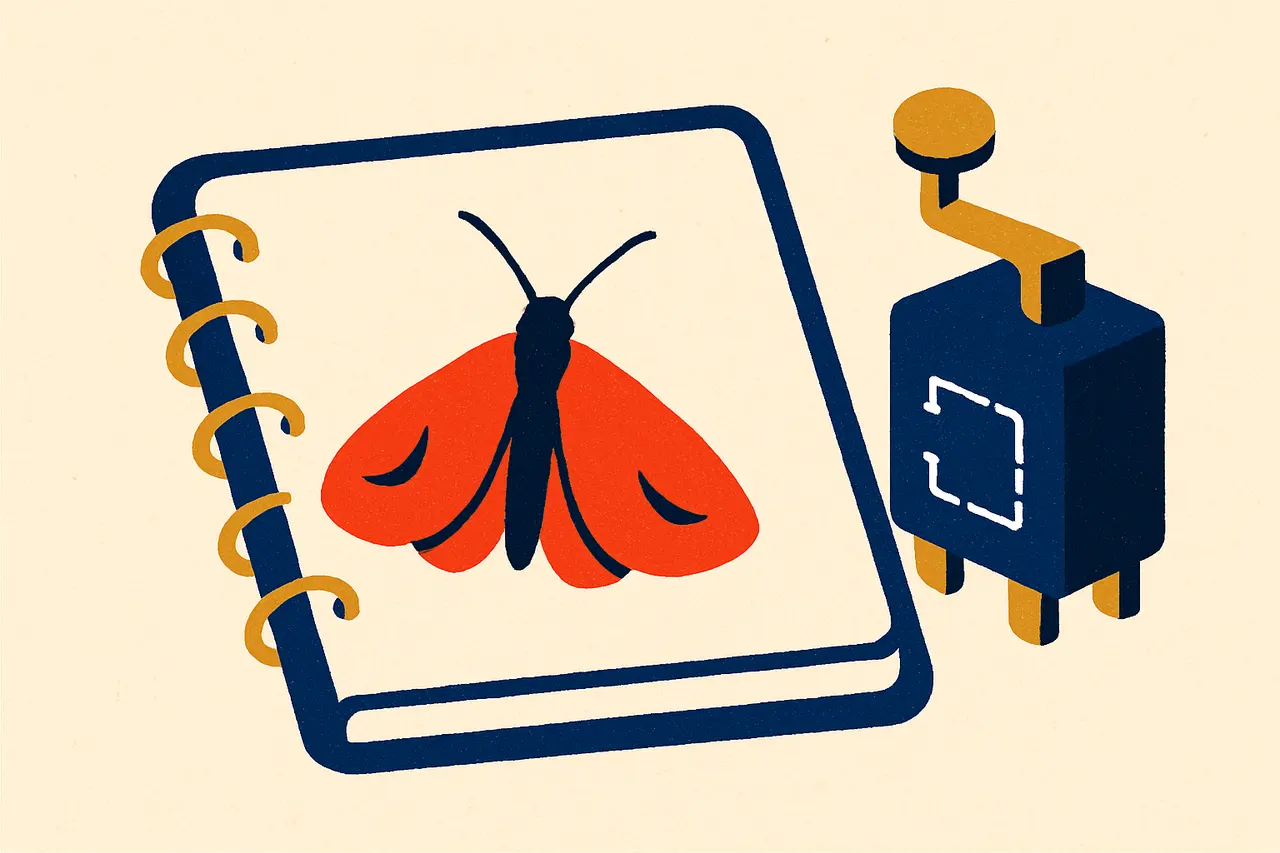
During World War II, Turing worked at Bletchley Park, where he helped design the Bombe machine that decrypted German Enigma traffic. His statistical methods cracked the tougher naval ciphers, work credited with shortening the war and saving many lives.
He was awarded the O.B.E. in 1945 for service whose nature could not yet be named.
Prosecuted in 1952 for homosexuality, Turing died in 1954; a royal pardon came only in 2013.
Sources & references
2 referencesWell-established. Corroborated by 2 independent sources.